The Renovation Roadmap
Everything we wish every homeowner knew before speaking to a builder, choosing finishes or making expensive decisions.

Most people don't start planning a home renovation because they enjoy making hundreds of decisions.
They start because they've outgrown their home, want a better way of living or know their house has so much more potential. Yet somewhere between saving inspiration on Pinterest, requesting builder quotes and choosing paint colours, what should feel exciting quickly becomes overwhelming.
If you're planning a house renovation, you're probably asking yourself the same questions we hear from homeowners every week.
Where do I start?
How do I set a realistic renovation budget?
When should I speak to an interior designer?
How do I find reliable builders?
And in what order should everything happen?
The reality is that most home renovation projects don't become stressful because people make bad decisions. They become stressful because homeowners are expected to make important decisions without understanding the renovation process. From choosing the right layout and setting a realistic budget to finding trusted trades and managing lead times, there are countless moving parts that can affect both the finished result and the experience along the way.
At Studio Dimora, we believe every successful home renovation begins long before the first wall comes down.
The most beautiful homes aren't created by chance.
They're created through thoughtful planning, clear direction and making the right decisions in the right order.
Whether you're renovating a single room or embarking on a full house renovation, this guide will help you approach your project with confidence from the very beginning.
Before Planning Your Home Renovation, Think About How You Want to Live
One of the biggest misconceptions about planning a home renovation is that the first step is choosing a kitchen, flooring or paint colours. In reality, those decisions come much later.
The most successful home renovations begin by asking a much simpler question: How do you want your home to support your everyday life?
Think beyond finishes and furniture. Do you need a kitchen that works harder for family life? Do you love entertaining but find your current layout restrictive? Would better storage make mornings feel calmer? These are the questions that shape a successful renovation far more than choosing the "perfect" worktop.
When we work with clients across Cheshire and beyond, we always start with lifestyle before layout. Once you understand how you want to live, every decision that follows, from space planning to lighting, materials and furniture, becomes far easier and far more intentional
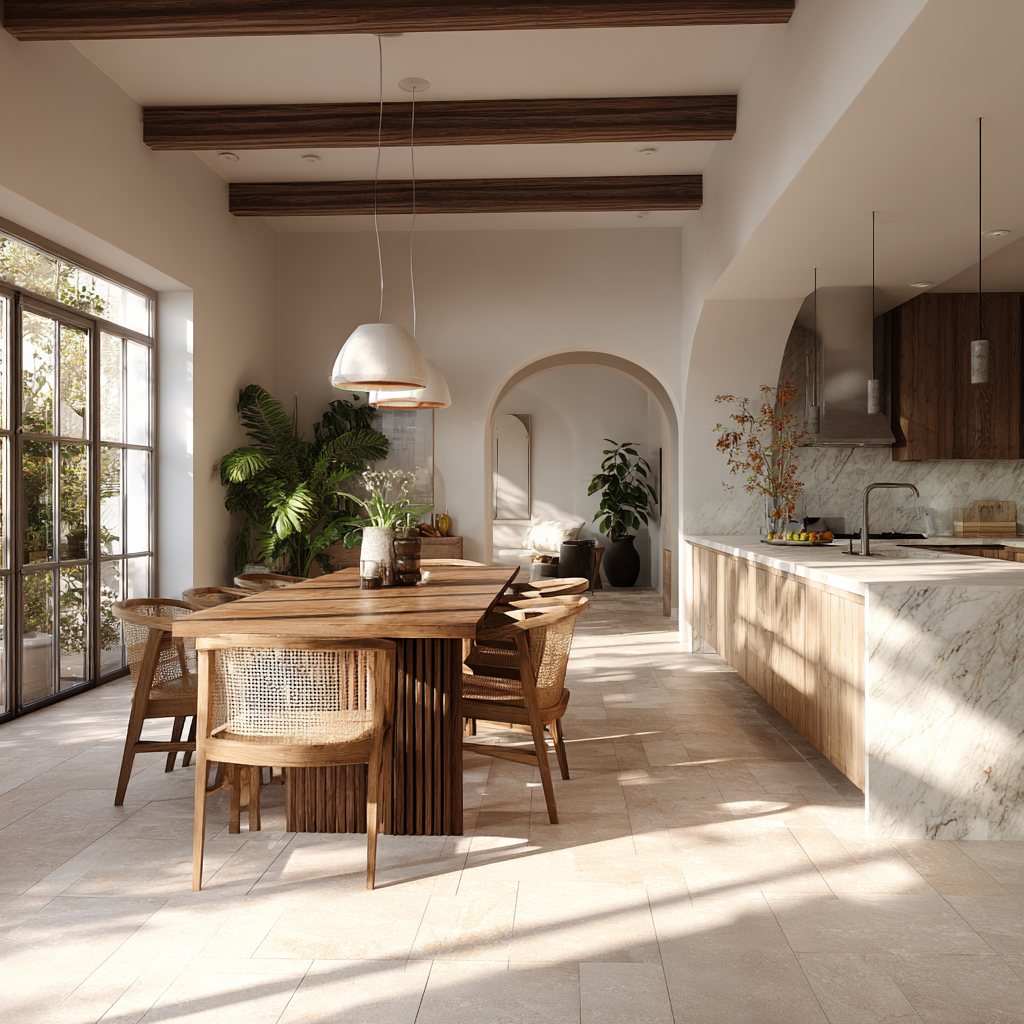
A successful renovation isn't defined by beautiful finishes alone. It's the thoughtful planning behind every detail that brings a home like this to life.
2. Set a Budget Around Your Priorities, Not Just a Number
One of the first questions people ask when planning a home renovation is, "How much is this going to cost?" It's a sensible question, but it's often the wrong place to start.
A renovation budget isn't simply a number to work towards. It's a tool that helps you decide where to invest, where to simplify and what will have the biggest impact on how your home looks and feels.
One of the biggest renovation mistakes we see is homeowners trying to achieve everything at once without deciding what matters most. Perhaps you've fallen in love with a bespoke kitchen, beautiful natural stone worktops and handcrafted joinery, only to realise there's little budget left for lighting, furniture or landscaping. Equally, you might spend heavily on finishes while overlooking the layout, only to discover later that the space still doesn't function as you'd hoped.
Before choosing products, ask yourself what will make the greatest difference to your everyday life.
Would opening up the kitchen and dining room transform the way your family spends time together? Would bespoke storage make your home feel calmer and more organised? Would investing in high quality flooring throughout create a more timeless foundation than upgrading every decorative finish?
These decisions should always come before selecting taps, tiles or paint colours.
It's also important to remember that every home renovation budget should include a contingency. No matter how carefully a project is planned, older properties can reveal unexpected issues once work begins. Hidden pipework, outdated electrics or structural repairs are all more common than most homeowners expect. Allowing around 10 to 15% of your budget for unforeseen costs provides reassurance and helps you make sensible decisions if surprises arise, rather than reacting under pressure.
At Studio Dimora, we encourage clients to think about value rather than simply cost. Investing in thoughtful space planning, well considered layouts and quality craftsmanship often delivers far greater long term satisfaction than choosing the most expensive finishes. Beautiful homes aren't defined by how much money is spent. They're defined by where that investment is made.
A clear budget doesn't limit creativity. It gives it direction. When your priorities are established from the beginning, every decision that follows becomes easier, more intentional and far more likely to result in a home you'll still love years from now.

When the foundations are right, every finish feels intentional and every space works effortlessly together.
3. Finalise the Layout Before Choosing Finishes
It's easy to get excited about paint colours, flooring, taps and beautiful kitchen worktops. After all, they're the parts of a renovation you can see and imagine in your home.
But before any of those decisions are made, there's one question that matters far more.
Does your layout actually work?
A successful home renovation isn't about filling a space with beautiful things. It's about creating a home that flows naturally around the way you live. The position of a doorway, the width of a walkway, where natural light falls throughout the day or how easily you move between rooms will have a far greater impact on your daily life than the colour of your walls.
This is why layout should always come before finishes.
Changing a paint colour is relatively simple. Replacing tiles, moving plumbing or relocating electrics after work has started is not. Those decisions become significantly more disruptive and expensive once the build is underway.
Before choosing any materials, take the time to think through how every space will function.
Could removing a wall improve the connection between your kitchen and dining room? Is there enough storage where you need it most? Does your furniture fit comfortably within the room? Have you planned where lighting, sockets and switches need to be before the plastering begins?
These are the decisions that create a home that feels effortless to live in.
It's also why technical drawings are such an important part of the renovation process. They provide builders and trades with clear information before work starts, reducing assumptions, avoiding costly misunderstandings and ensuring every detail has been considered in advance.
At Studio Dimora, we spend a significant amount of time refining layouts long before discussing decorative finishes. When the foundations of a design are right, every decision that follows becomes easier. Furniture sits comfortably within the space, lighting feels considered, storage works harder and the home begins to feel cohesive rather than a collection of individual rooms.
Beautiful finishes will always elevate a space, but they can never compensate for a layout that doesn't support the way you live.
Take the time to get the foundations right, and you'll create a home that not only looks beautiful on completion but continues to work beautifully for years to come.

Creating a cohesive home isn't about choosing beautiful pieces in isolation. It's about designing every element to work together as one.
4. Build the Right Team Before the Work Begins
One of the biggest misconceptions about a home renovation is that your builder will manage every decision from start to finish.
In reality, every professional involved in your project has a different role to play. Architects design the structure and ensure the project meets planning and building regulations. Builders bring those plans to life. Electricians, plumbers, joiners and decorators each contribute their specialist expertise. An interior designer brings all of these moving parts together, ensuring every decision works cohesively and supports the overall vision for your home.
The most successful renovations happen when everyone is working towards the same goal from the very beginning.
Unfortunately, many homeowners only realise something has been overlooked once work is already underway. Perhaps the lighting doesn't align with the furniture layout, the kitchen design doesn't allow enough clearance around the island, or the bespoke joinery can't be installed because the electrical plan wasn't considered early enough.
These aren't necessarily mistakes. They're often the result of decisions being made in isolation rather than as part of a bigger picture.
Finding reliable builders and trusted trades is equally important. While recommendations from friends and neighbours are invaluable, don't be afraid to ask questions before committing. Have they completed similar projects? Can they provide recent references? Do they communicate clearly? Are their quotations detailed enough to explain exactly what's included?
The cheapest quote isn't always the best value, just as the highest quote doesn't automatically guarantee the highest quality. Understanding why quotations differ will help you make a far more informed decision than comparing numbers alone.
One of the greatest advantages of working with an experienced interior designer is access to an established network of trusted professionals. Over time, you build relationships with trades who share the same standards, communicate well and genuinely care about delivering exceptional work. That continuity often makes the renovation process feel far smoother and far less stressful for homeowners.
At Studio Dimora, we see ourselves as the thread that connects every stage of the project. We work closely with architects, builders, joiners and specialist trades to ensure each decision supports the next. When everyone is working from the same vision, the result is not only a more beautiful home, but a renovation that feels organised, collaborative and enjoyable from start to finish.
5. Make the Big Decisions Before the Build Starts
One of the most common renovation mistakes isn't choosing the wrong tile or paint colour. It's leaving important decisions until work is already underway.
When builders are on site, every day counts. Waiting for decisions about lighting, flooring, joinery or bathroom layouts can delay progress, increase costs and create unnecessary stress for everyone involved.
The more decisions you can make before work begins, the smoother your renovation is likely to be.
This doesn't mean every cushion or accessory needs to be chosen months in advance. Instead, focus on the elements that affect the construction of your home and the work of your trades.
For example, your electrician will need to know where wall lights, pendant lights and sockets are positioned before first fix begins. Your plumber will need final layouts for kitchens and bathrooms. Your joiner will need detailed drawings and agreed finishes before manufacturing can start. Many of these items also have lead times, so ordering them early is just as important as choosing them.
This is where a well thought out design package becomes invaluable. Rather than making dozens of individual decisions throughout the project, you have a clear plan that everyone can work from. Builders know what's being installed, trades understand the specification, and you can enjoy watching your home come together instead of constantly making last minute choices.
It's also worth remembering that changes made during a renovation almost always cost more than decisions made before it begins. Moving a socket on paper takes minutes. Moving it after the walls have been plastered is a very different conversation.
Planning ahead doesn't remove flexibility entirely. There will always be small adjustments along the way. However, having the key decisions agreed before work starts gives your project the best possible foundation and allows everyone involved to work efficiently and confidently.
At Studio Dimora, this is one of the most valuable parts of our process. Before your builder arrives on site, we've already considered the layout, lighting, electrical plans, joinery, materials, finishes and furniture. It means fewer surprises, fewer delays and a renovation that feels organised from the very beginning.

Bespoke joinery transforms more than the way a room looks. It creates a home that's calmer, more organised and easier to live in.
6. Expect the Unexpected, But Don't Be Afraid of It
Even the best planned home renovation will come with a few surprises.
Perhaps removing a wall reveals outdated pipework. Maybe your dream tiles are suddenly on back order. Or perhaps you discover that moving one doorway would improve the flow of your home far more than you originally imagined.
These moments are completely normal.
The difference between a stressful renovation and a successful one isn't whether unexpected challenges arise. It's how prepared you are to deal with them.
Good planning gives you options. It creates enough flexibility in your budget, timeline and decision making to adapt without losing sight of the bigger picture. Rather than reacting under pressure, you're making considered decisions that continue to support your vision for the finished home.
It's also worth remembering that renovations rarely look their best while they're happening. There will be moments when rooms feel smaller than you imagined, walls are unfinished and dust seems to find its way into every corner of the house. It can feel unsettling, especially when you've invested so much emotionally as well as financially.
Trust the process.
Some of the most beautiful homes we've worked on have gone through a stage where they looked anything but beautiful. That's simply part of transforming an existing house into a home that's designed around the people who live there.
At Studio Dimora, we believe that a successful renovation isn't measured only by the finished photographs. It's measured by the experience of getting there. When every decision has been thoughtfully considered, the right professionals are working together and there's a clear plan guiding the project, the entire journey becomes calmer, more enjoyable and far less overwhelming.
Because at the end of the day, a renovation isn't just about creating a beautiful home.
It's about creating a home that works beautifully for you.
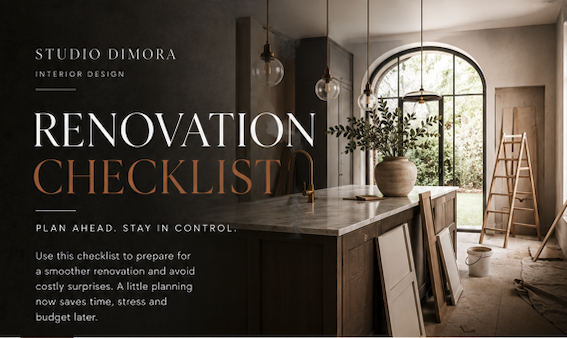
Planning your own renovation?
We know that starting a renovation can feel overwhelming, especially when you're trying to make important decisions in the right order.
That's exactly why we created our FREE Renovation Guide.
Inside you'll find practical checklists, planning tips and expert advice to help you approach your project with confidence before work begins.
Download your free Renovation Guide here →