The Styling Details That Make A Home Feel Finished
There is often a moment during an interior design project when everything is technically ‘done’.
The furniture is in place. The walls are painted. The lighting has been installed. And yet… something still feels slightly unfinished.
More often than not, that missing layer is styling.
Following my recent keynote talk at the House of Founders networking event, one of the biggest conversations of the evening centred around this exact topic. Not expensive renovations. Not endless shopping. But the smaller styling decisions that completely change how a space feels.
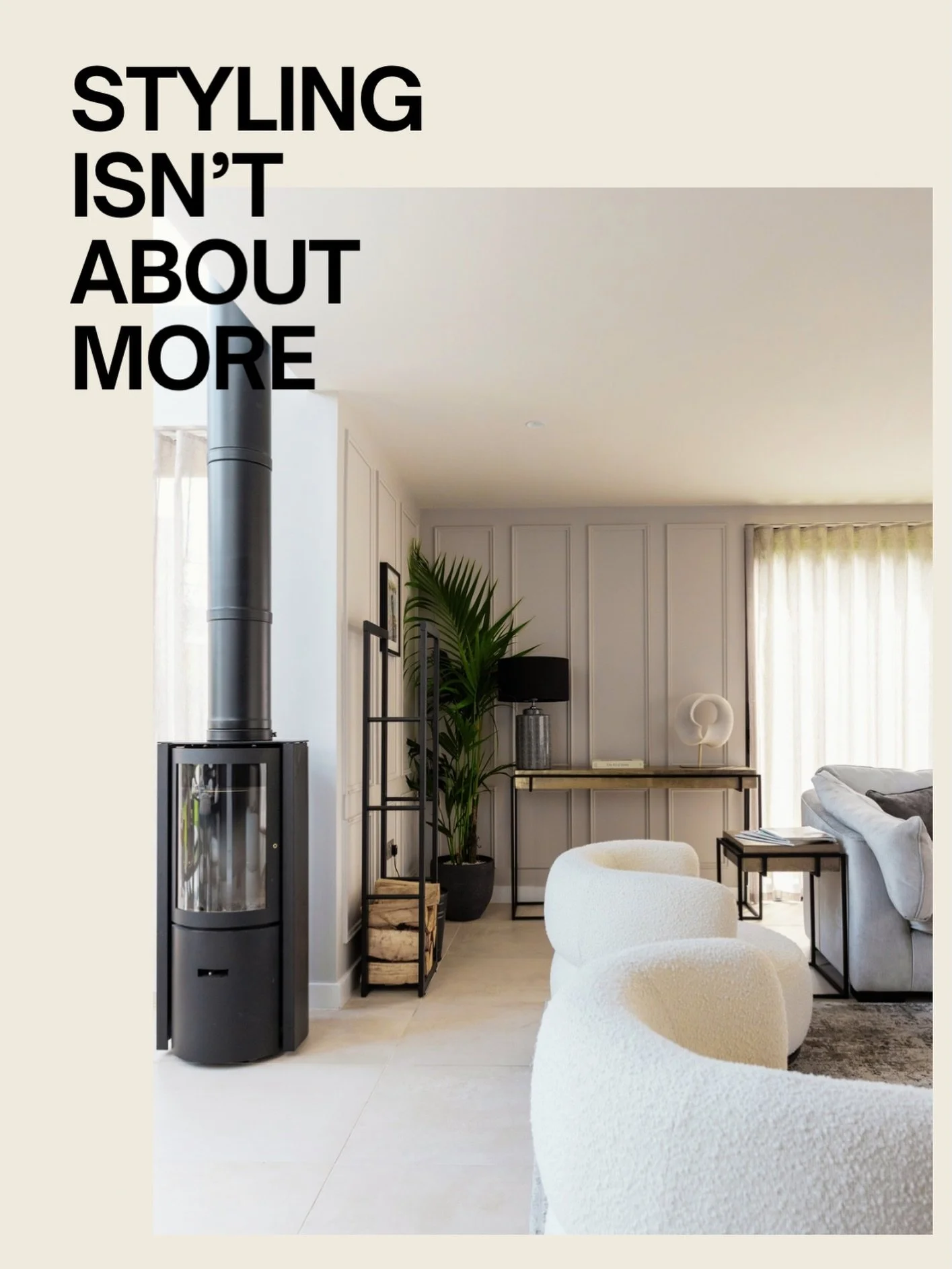
Because good styling is rarely about adding more. It is about understanding balance, composition, rhythm and intention.
Want The Studio Dimora Styling Guide?
Following the recent House of Founders keynote talk, I’ve turned the styling principles explored during the event into a downloadable guide covering:
coffee table styling
shelving composition
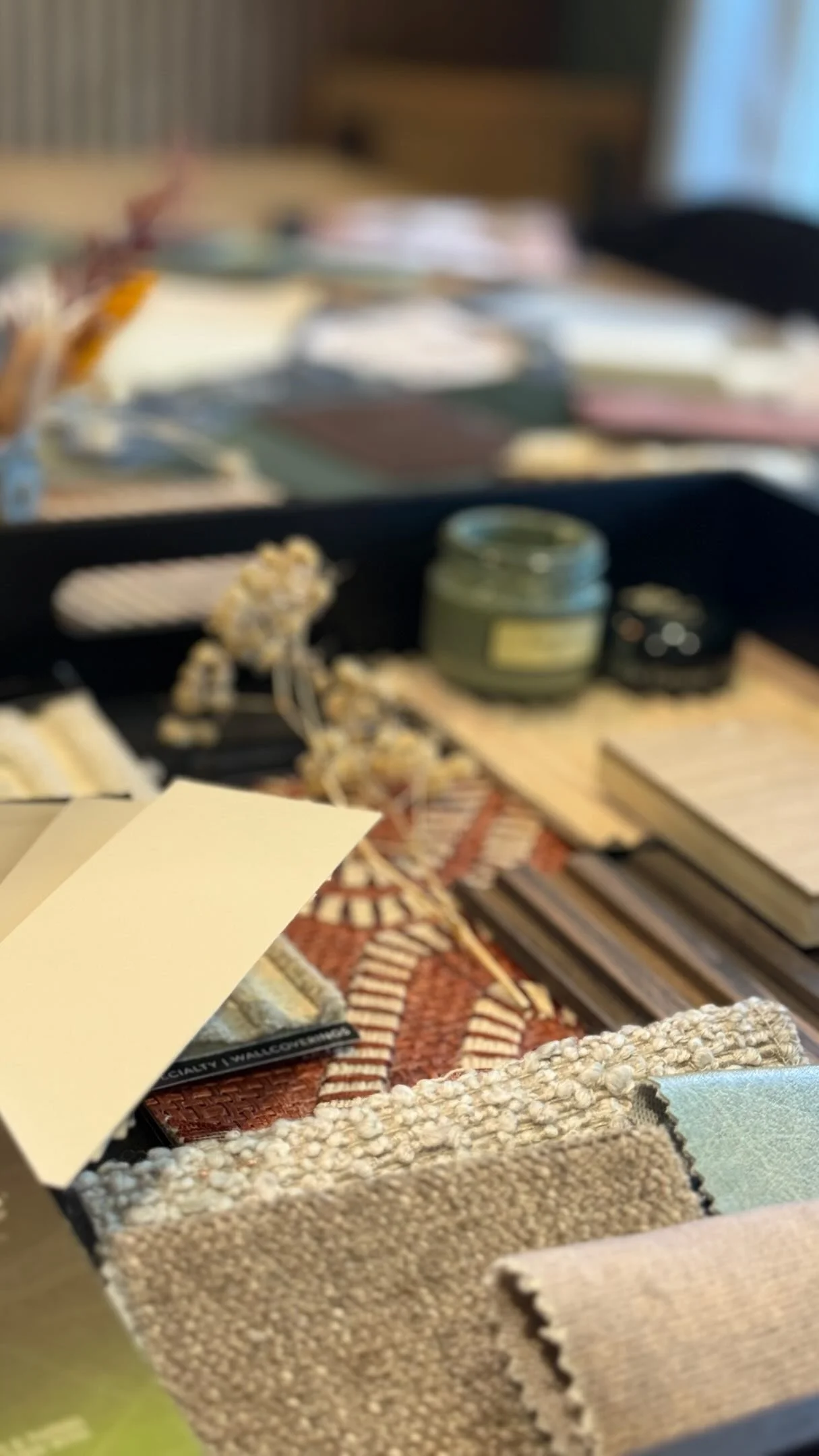
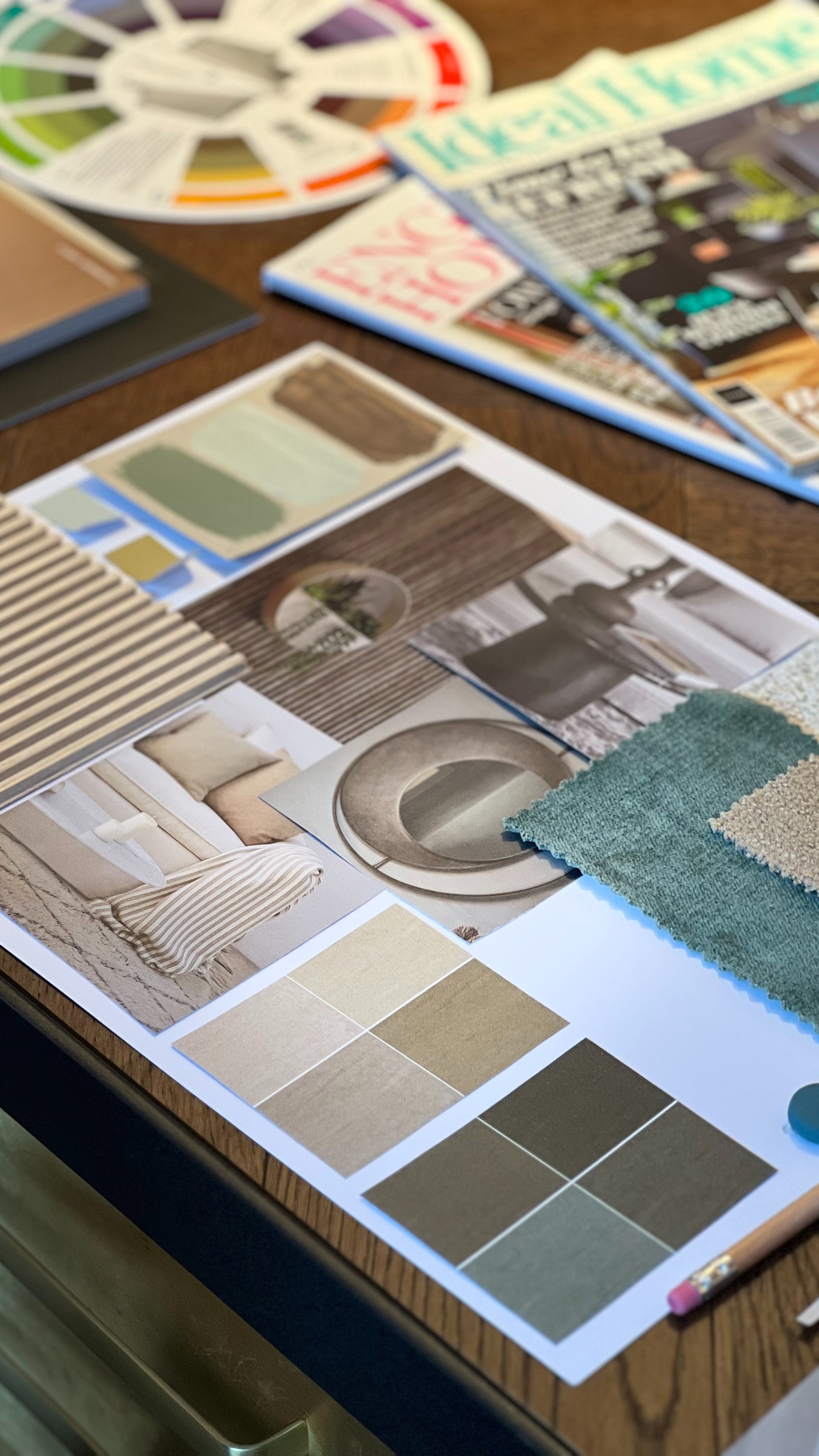
layering and texture
and creating more intentional interiors
You’ll find the free download linked at the end of this article.
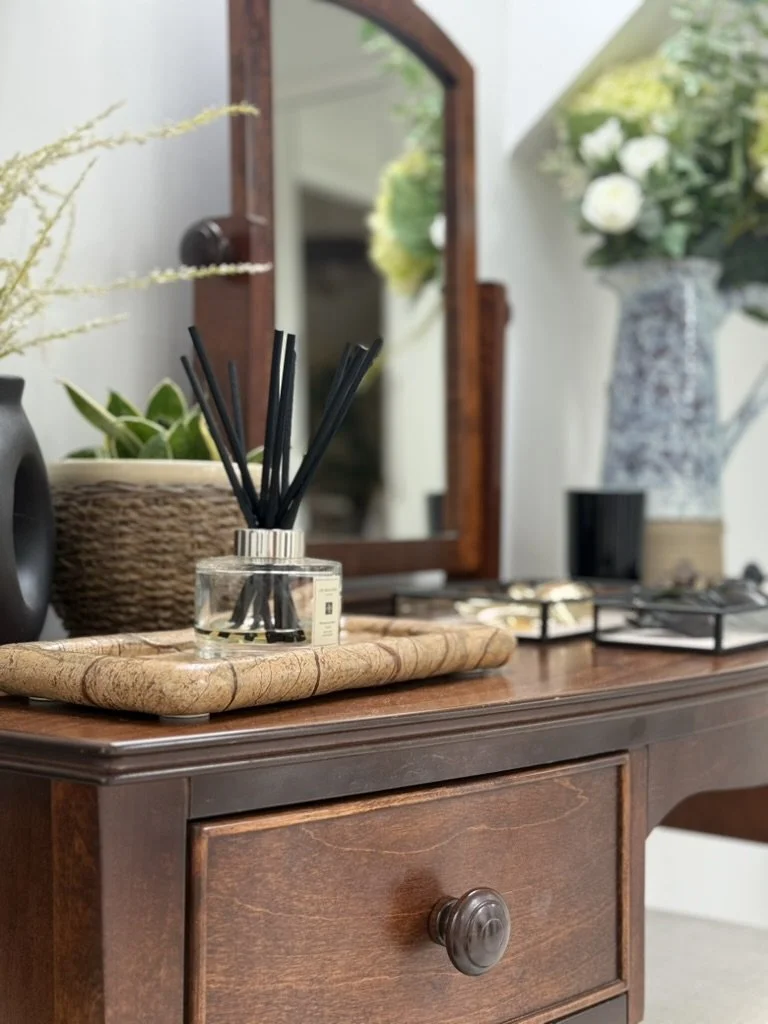
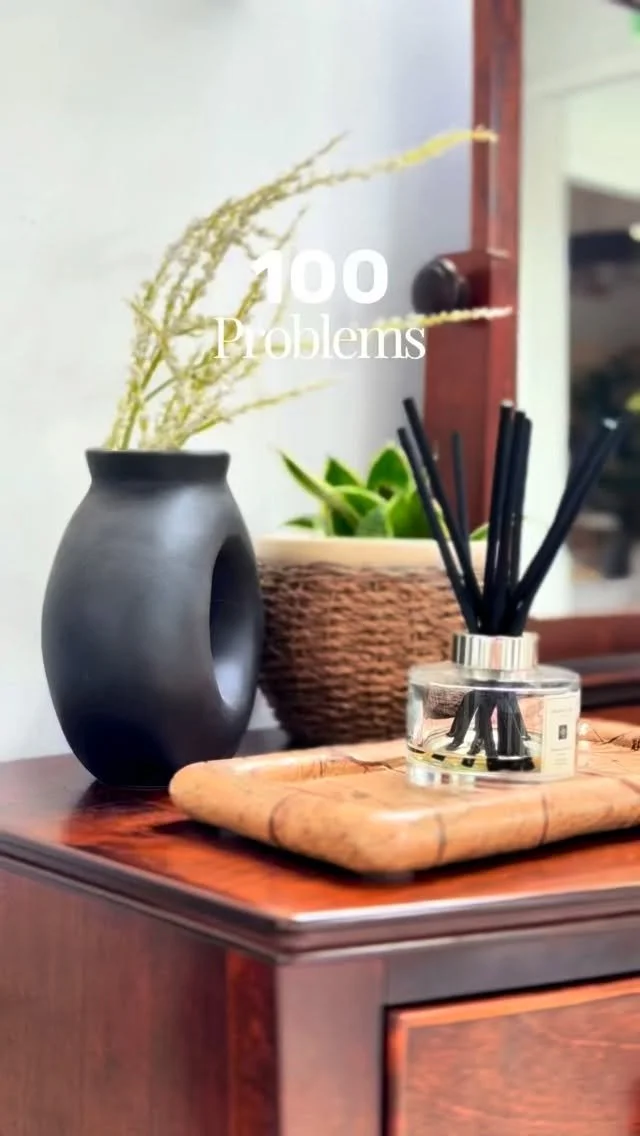
Vanity table styling with natural textures and layered accessories.
Why Styling Matters More Than People Realise
Styling is often dismissed as the ‘final decorative touch’, when actually it plays a huge role in how we emotionally experience a room.
A beautifully styled space feels calmer. More cohesive. More elevated. More personal.
It guides the eye naturally around a room and helps create that subtle feeling of warmth and ease that people often struggle to define.
And contrary to what social media may suggest, styling is not about perfectly copying Pinterest or filling every surface with decorative objects.
In fact, some of the most sophisticated interiors usually contain less styling, not more.
The key is knowing what to place, where to place it, and when to stop.
The Biggest Styling Mistakes I See
During the live styling sessions at the event, there were a few common habits that came up repeatedly.
The first was overcrowding.
When people are unsure how to style a surface, they often try to compensate by adding more objects. But visually, this creates noise rather than calm.
The second is choosing items individually rather than as part of a composition.
Styling should always be viewed as a whole rather than a collection of separate pieces.
And finally, many people focus purely on aesthetics without thinking about practicality.
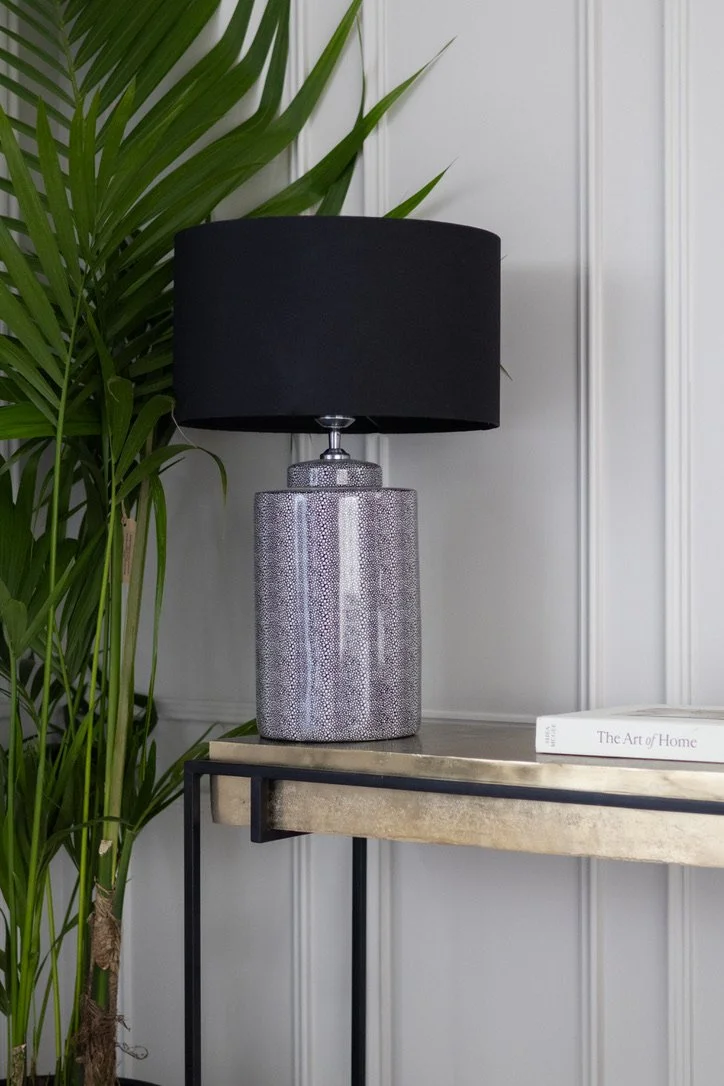
A coffee table still needs somewhere to place a drink. A shelf still needs breathing space. A console table still needs to feel functional within the flow of the room.
Another mistake I often see is trying to display absolutely everything.
Open shelving should be curated rather than overloaded. The pieces left visible should feel intentional, whether that is books, ceramics, artwork or meaningful collected objects.
Not everything needs to be on show.
In fact, one of the easiest ways to make a home feel calmer and more elevated is understanding the balance between open display and closed storage. Beautiful styling works best when everyday clutter has somewhere to disappear.
Closed cabinetry, baskets, drawers and concealed storage are just as important as the styled shelves themselves.
Beautiful interiors should still feel liveable.
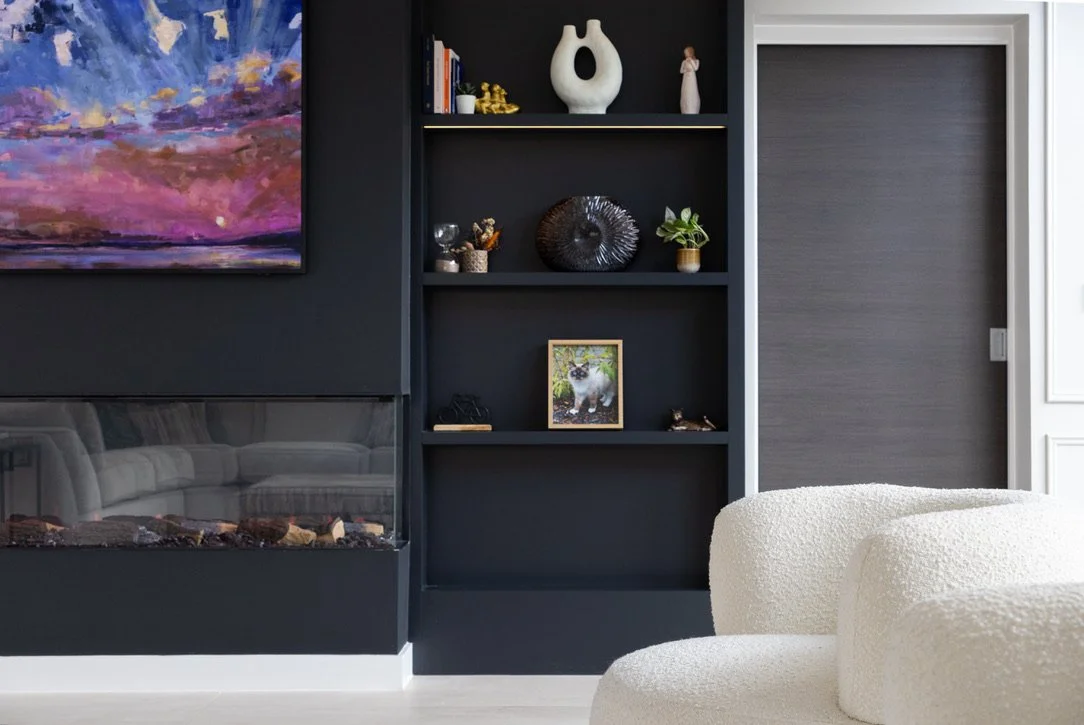
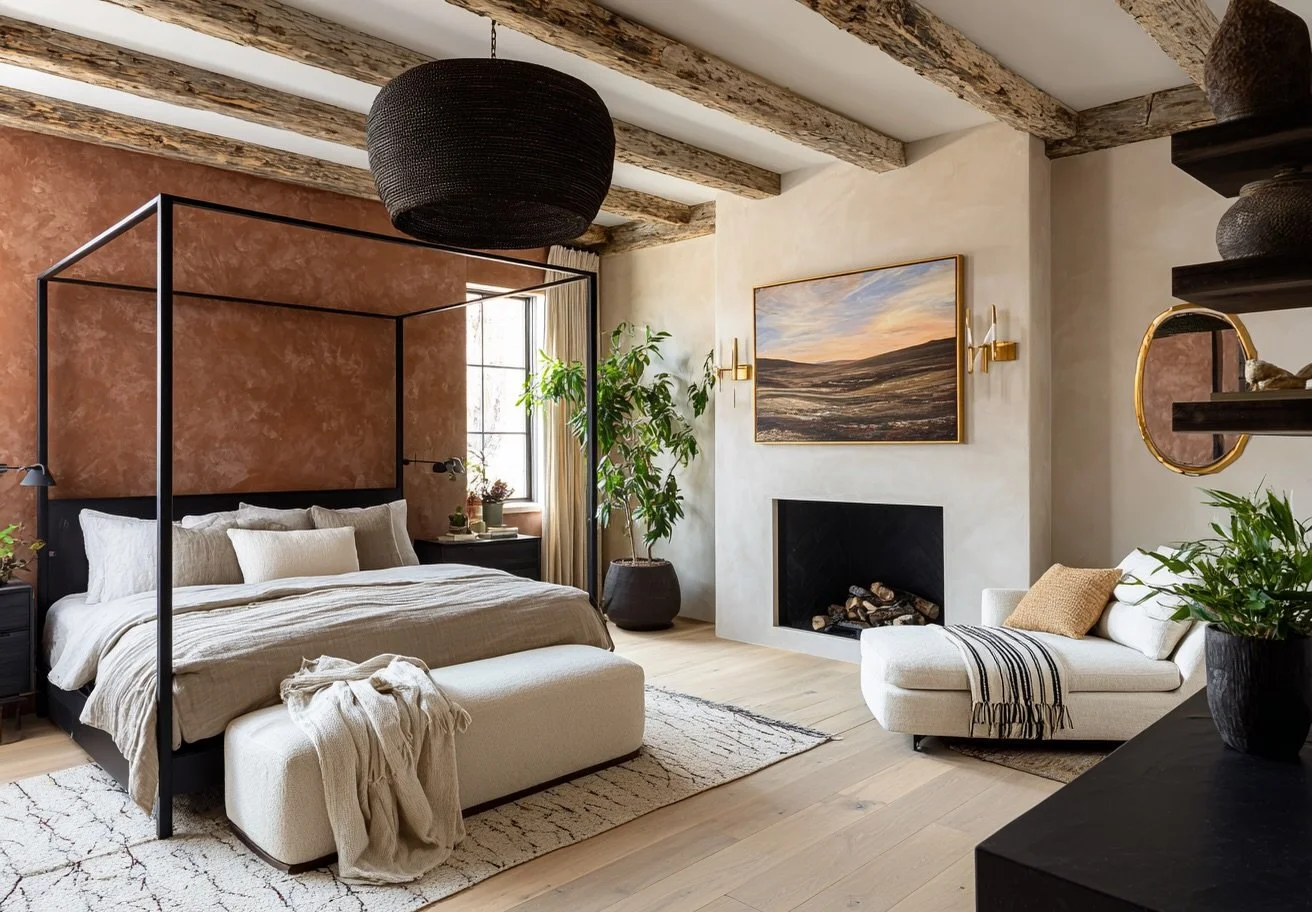
Bespoke built-in shelving styled with sculptural decor and negative space.
How To Style A Coffee Table
Coffee tables are often one of the hardest surfaces for people to style well because they sit centrally within a room and are viewed from multiple angles.
The goal is not symmetry. The goal is visual balance.
When styling a coffee table, I usually think about:
Layering
Varying heights
Combining textures
Creating visual softness
Leaving intentional empty space
A simple combination often works best.
For example:
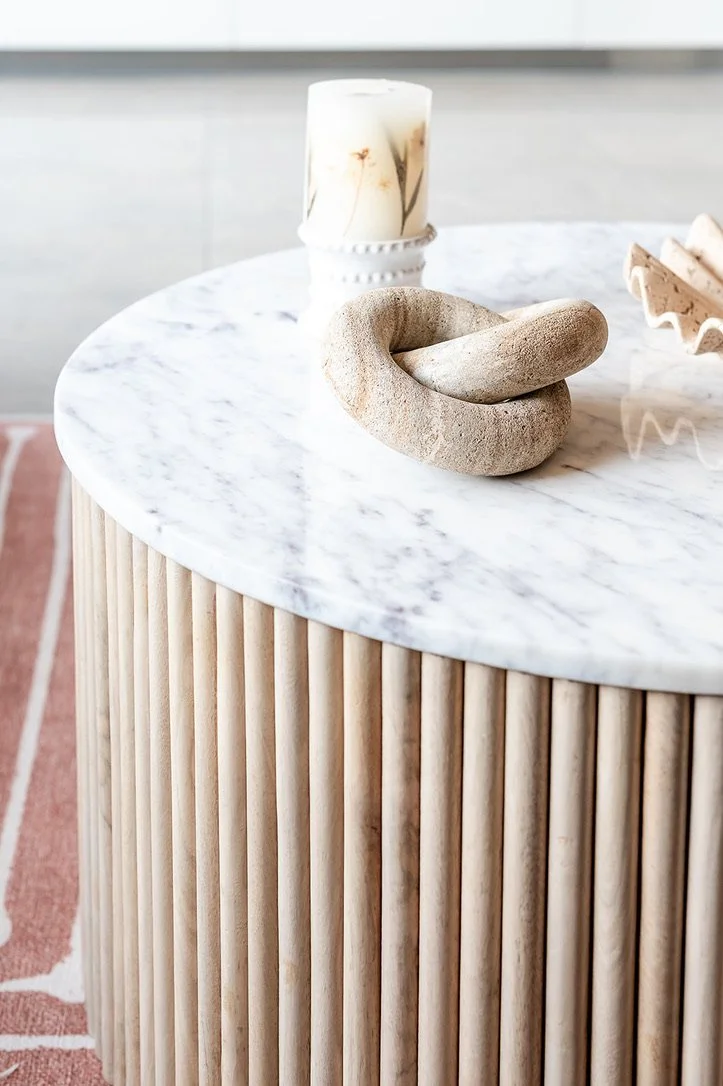
A stack of books to ground the arrangement
Something sculptural for shape and interest
A candle or bowl to soften the composition
A natural element such as greenery or branches
A tray to visually organise smaller items
One of the most important things to remember is that every object should not be the same height, material or shape.
Contrast is what creates visual interest.
And perhaps most importantly, the table still needs to function for everyday life.
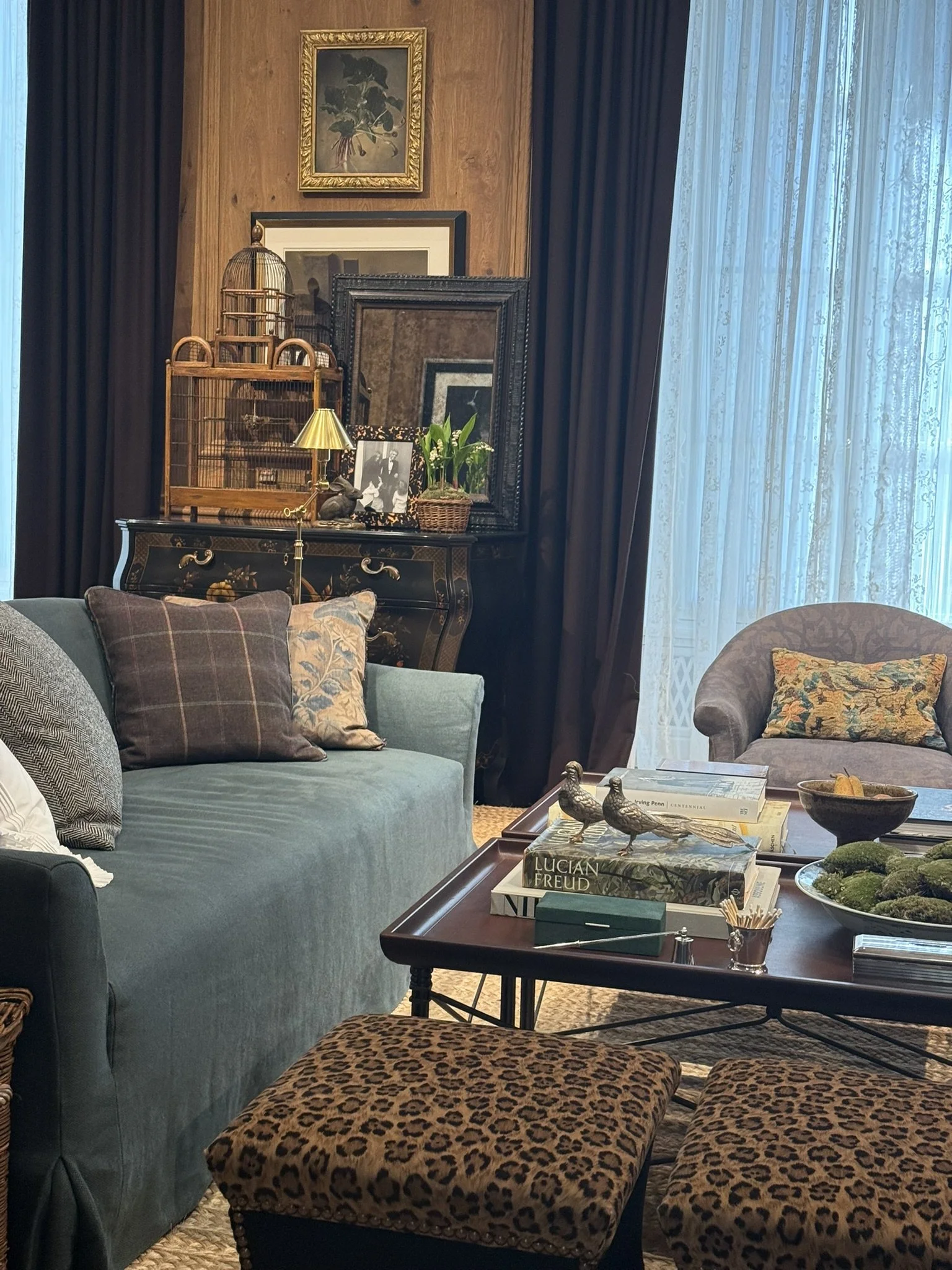
Layered coffee table styling within a rich traditional interior from Ralph Laurent Home in Milan.
Shelving Requires A Completely Different Approach
One of the styling exercises we explored during the event was shelving, and this is where people often realise styling is much more architectural than they expected.
Unlike a coffee table, shelving is viewed vertically.
You are no longer creating one single composition. You are creating rhythm and movement across multiple levels.
With shelving, I usually focus on:
Repetition
Visual flow
Grouping objects together
Mixing horizontal and vertical elements
Negative space
Colour continuity
One of the biggest mistakes people make with shelving is trying to fill every single gap.
But empty space is incredibly important.
It allows the eye to pause and gives the styling room to breathe.
The most beautiful shelves rarely look overly ‘styled’. They feel collected over time.
Books, ceramics, personal objects, artwork and natural textures usually create a far more sophisticated result than buying endless matching accessories.
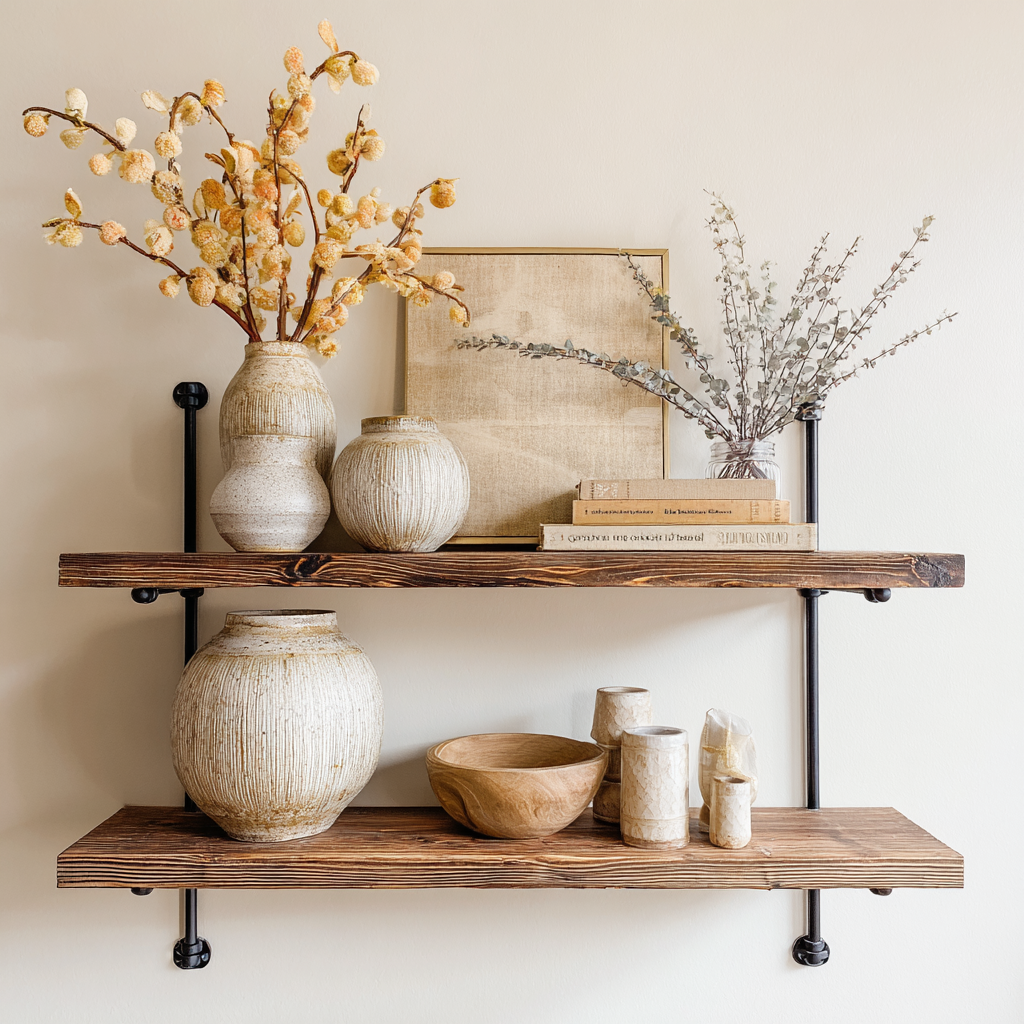
Neutral open shelving styled with ceramics, books and dried foliage.
Styling Is About Feeling, Not Perfection
One of my favourite moments during the House of Founders event was watching everyone begin to relax into the process.
At the beginning, many people were worried about getting it ‘wrong’.
But styling is rarely linear.
You move something. You step back. You remove an object. You adjust the balance. You reassess.
It is a process of refinement rather than perfection.
And honestly, this is often what separates a home that feels cold or unfinished from one that feels layered, intentional and elevated.
Not necessarily bigger budgets. Not necessarily more expensive furniture. But thoughtful composition.
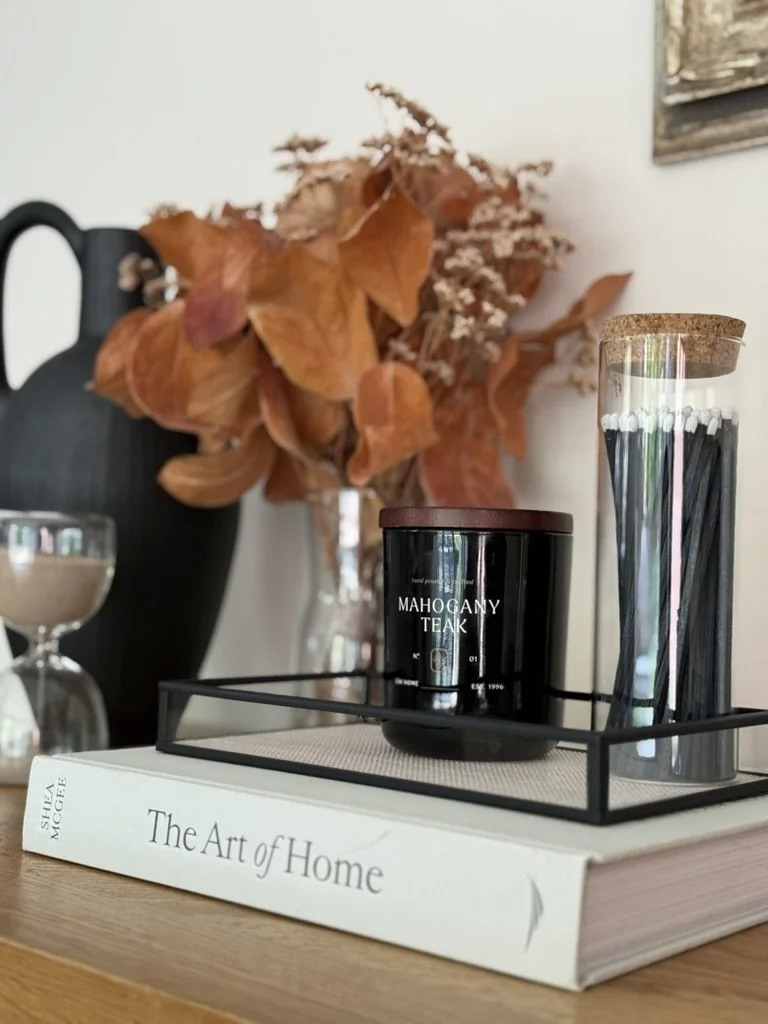
Warm styling with layered accessories and earthy textures.
Interior styling is not simply about making a home look beautiful for photographs.
It is about creating spaces that support the way we live, work, host, rest and feel every single day.
Whether it is a coffee table, shelving unit, console or an entire room, the smallest styling decisions often have the biggest emotional impact. And sometimes, all a space really needs is a more intentional eye.
If you would like support styling your own home or creating a space that feels more cohesive and considered, Studio Dimora offers interior design consultations across Cheshire and beyond.
You can explore more projects and services at www.studiodimora.co.uk or follow along on Instagram at @studiodimorauk.